
Food as Medicine
Your fork is the most powerful medical instrument you will ever wield. Use it daily to nourish, repair, and protect your health. Because if you do not take the time to make your food your medicine, you will eventually be forced to make your medicine your food—and that is a prescription for a slow, painful...
HEALTH
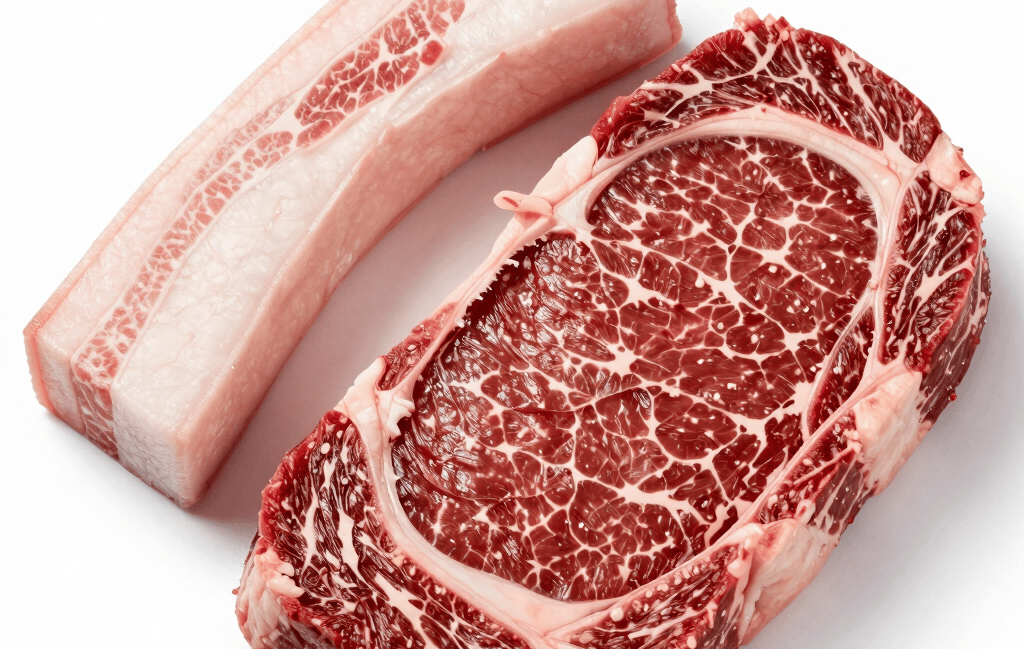
The Core Premise: Biochemical Inputs Over Caloric Output
For the last century, dietary advice has been dominated by a single, simplistic metric: calories. We have been taught that weight and health are simple math—"calories in versus calories out." This flawed paradigm has led to a food industry built on low-fat, high-sugar, ultra-processed "diet" foods that are devoid of biological signaling.
Real health is not about energy balance; it is about hormonal signaling and cellular repair. Every bite you take is not just fuel; it is a set of instructions that alters your gene expression, inflammatory pathways, and metabolic rate. To "eat food like medicine" means to consciously choose macro-nutrients and micro-nutrients that act as substrates for healing, rather than merely filling a void in your stomach.
The modern epidemic of chronic disease—Type 2 diabetes, autoimmune disorders, cardiovascular disease, and neuro-degenerative conditions—is not a genetic catastrophe. It is a nutritional deficiency state masked by caloric excess. We are overfed but undernourished. Correcting this requires a radical shift: prioritizing quality and composition over quantity.
The Pillars of Therapeutic Nutrition: Protein and Fat
If food is medicine, then Protein and Fat are the two most potent active ingredients in your pharmacy. Carbohydrates, while not inherently evil, are the only macro-nutrient your body can technically survive without (via gluconeogenesis). Protein and fat, however, are essential—meaning your body cannot synthesize them and must obtain them from diet.
A. Protein: The Building Block of Repair
Protein is not just for bodybuilders; it is the structural matrix of every enzyme, hormone, and immune cell in your body.
- Cellular Turnover: Your gut lining replaces itself every 3–5 days. Your skin, muscles, and organs constantly break down and rebuild. Without adequate dietary amino acids, this repair process stalls, leading to sarcopenia (muscle loss), leaky gut, and immune senescence.
- Satiety and Blood Sugar: Protein stimulates glucagon and stabilizes blood glucose, preventing the insulin spikes caused by refined carbs. Stable insulin equals stable energy and reduced fat storage.
- Therapeutic Dose: Most adults require 1.6–2.2 grams of protein per kilogram of body weight daily, particularly from complete sources (pasture-raised meat, wild-caught fish, eggs, and quality dairy). This is significantly higher than the RDA, which was set merely to prevent deficiency, not to optimize function.
B. Fat: The Membrane Master and Hormonal Precursor
For decades, fat was vilified. This was the single greatest medical error of the 20th century. Healthy fats are the building blocks of your cell membranes, your myelin sheath (brain insulation), and every steroid hormone (testosterone, estrogen, cortisol).
- Brain Health: The human brain is 60% fat. Consuming adequate omega-3s (DHA/EPA) and saturated fats (like butter and coconut oil) reduces neuro-inflammation and supports cognitive function.
- Nutrient Absorption: Vitamins A, D, E, and K are fat-soluble. Without dietary fat, you cannot absorb these micro-nutrients, rendering even the healthiest vegetables nutritionally inert.
- Metabolic Flexibility: When you prioritize fat and protein, you train your body to burn fat (ketosis) rather than sugar. This unlocks your body's stored energy, reduces systemic inflammation, and improves mitochondrial efficiency.
The Dangerous Consequence: The Medicine-as-Food Trap
When you consistently choose processed carbohydrates and seed oils over whole proteins and natural fats, your body enters a state of chronic inflammation and insulin resistance. This is the soil in which chronic disease grows.
In this state, your cells stop listening to insulin. Your liver becomes fatty. Your arterial walls stiffen. The body, starved of the raw materials it needs to repair itself, begins to malfunction. This is where the medical establishment steps in—not to cure, but to manage.
This is the ultimate failure of our system: "Eating medicine as food."
- Statins are prescribed to lower cholesterol, but they deplete CoQ10 from your muscles, leading to weakness and diabetes—yet they do not address the dietary sugar driving the inflammation.
- Metformin and insulin injections are given to diabetics to force glucose into cells, while the patient continues to eat bread and pasta that spike that same glucose.
- PPIs (acid blockers) are prescribed for heartburn, which is often caused by low stomach acid from a protein-deficient diet, yet the pill further impairs protein digestion.
The Pharmacy is a Poor Substitute for the Pantry.
Prescription drugs are isolated chemical compounds. They act on one receptor and create downstream deficiencies. Food, by contrast, is a symphony of synergistic compounds—peptides, fatty acids, antioxidants, and co-factors—that work in concert to restore homeostasis.
When you eat medicine as food, you are doing three dangerously foolish things:
1. Treating symptoms, not roots: You suppress the fever without killing the infection. The underlying metabolic dysfunction continues to progress.
2. Creating iatrogenic disease: Every drug has side effects. Treating high blood pressure with diuretics depletes magnesium and potassium. Treating pain with NSAIDs damages the gut lining. These side effects then require more drugs, creating a poly-pharmacy cascade.
3. Bankrupting your vitality: Drugs keep you alive, but they do not make you thrive. They preserve a suboptimal state of existence, whereas whole foods enhance physical performance, mental clarity, and immune resilience.
The Prescription for the Future
The choice is stark but simple:
Option A: Eat convenience foods—refined grains, sugars, and industrial seed oils. Take a statin for your cholesterol, a metformin for your sugar, and a beta-blocker for your blood pressure. Accept a life of diminishing energy, increasing pill counts, and declining muscle mass. This is eating medicine as food.
Option B: Prioritize 30–40 grams of high-quality protein per meal. Embrace saturated and monounsaturated fats from animal sources, olive oil, and avocados. Use carbohydrates strategically (post-exercise or from fibrous vegetables). Watch your inflammatory markers drop, your waistline shrink, and your mental fog lift. This is eating food as medicine.
The Final Verdict:
Your fork is the most powerful medical instrument you will ever wield. Use it daily to nourish, repair, and protect your health. Because if you do not take the time to make your food your medicine, you will eventually be forced to make your medicine your food—and that is a prescription for a slow, painful decline, not a vibrant life.